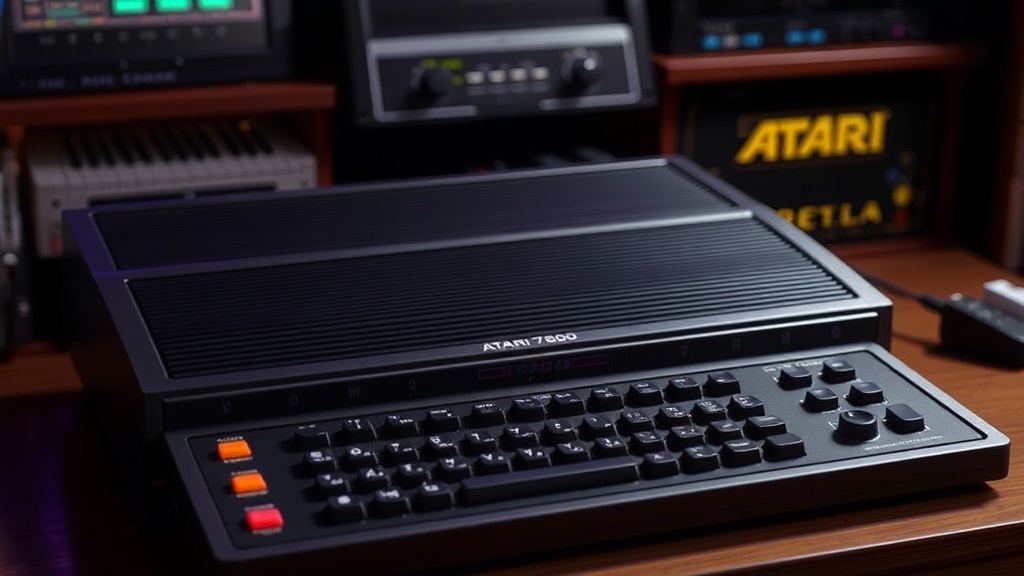
Evaluating Atari 7800 Console Condition and Authenticity

You just paid $150 for an Atari 7800 Pro System on an auction site, only to unbox it and realize the plastic is discolored and the joystick ports are loose. This is the reality of the vintage hardware market—you rarely get exactly what the seller describes. This guide breaks down how to identify a high-quality Atari 7800, how to spot common counterfeits or poorly refurbished units, and how to verify the physical integrity of the console before you spend your hard-earned money.
The Atari 7800 is a fascinating piece of hardware. It sits right in that sweet spot between the 2600 era and the 16-bit revolution. But because it was released later in the life cycle of Atari hardware, the build quality can vary wildly based on the specific revision or even the region.
How Can You Identify a Genuine Atari 7800?
A genuine Atari 7800 can be verified by checking the specific branding on the console and the unique layout of the rear ports. Most collectors look for the "Pro System" branding, which was the standard for the consumer version. If you see a unit that lacks the specific Atari logo or has odd, non-standard markings on the bottom, proceed with caution.
One of the biggest tells is the weight and the texture of the casing. The 7800 has a very specific, slightly textured plastic that feels much more substantial than modern, cheap knock-offs. If the unit feels hollow or suspiciously light, it might be a modern reproduction or a heavily modified unit. It’s worth noting that the 7800 was part of the broader Atari hardware family, which means there are several variations in how the internal boards are laid out.
Check these three physical markers to confirm authenticity:
- The Logo: The Atari logo should be crisp and centered. Blurry or off-center printing is a red flag for a reproduction.
- The Port Layout: The 7800 has a specific configuration for its joystick ports and the RF/Composite outputs.
- The Rear Label: A real unit will have a manufacturer sticker or molded text on the bottom that lists the voltage and manufacturer details.
I've seen plenty of "Frankenstein" consoles where the shell of one unit is paired with the internals of another. It's a headache for collectors. Always ask for a photo of the underside of the console to see the serial number or manufacturing stamps.
What Are the Most Common Problems with Atari 7800 Consoles?
The most common problems with the Atari 7800 involve the joystick ports, the power supply, and discoloration of the plastic. Because these consoles are decades old, the internal components and the external housing show their age in very predictable ways.
The joystick ports are a major weak point. The pins inside the ports can become bent or recessed if a user was too aggressive with the controllers. If the pins aren't making contact, the console won't recognize the controller—even if the controller itself is perfect. This is a physical hardware failure, not a software issue.
Another issue is the "yellowing" of the plastic. This is a chemical reaction called bromine flame retardant outgassing. It happens to almost all 80-bit era consoles. If you see a yellowish or brownish tint, the plastic has likely degraded. While you can sometimes fix this through "retrobrighting," it's a permanent change to the original state of the object. If you're a purist, you'll want to avoid these units.
Here is a quick checklist of what to look for during a physical inspection:
| Component | What to Look For | Severity |
|---|---|---|
| Joystick Ports | Bent or recessed pins | High |
| Plastic Casing | Yellowing or "crunchy" texture | Medium |
| RF/Composite Ports | Loose connections or oxidation | High |
| Power Jack | Wobble or loose fit | Medium |
If you're buying a console that has been used heavily, the power jack is often the first thing to fail. A loose jack means the console will cut out if you even breathe on it. That's a nightmare for any collector.
How Do You Determine the Value of a 7800 Console?
The value of an Atari 7800 is determined by its physical condition, the inclusion of original controllers, and whether or not the original box is present. A "complete in box" (CIB) unit will always command a premium over a "loose" console. For many of us, the box is just as important as the hardware itself.
When looking at prices, you'll see a massive gap between a console that is just "working" and one that is "collector grade." A collector-grade unit looks like it was never even taken out of the box. It has no scratches, no yellowing, and the ports are pristine. These can go for significantly more than a standard used unit. It's a steep jump, but it's the difference between a playable machine and a museum piece.
Don't forget to check the condition of the controllers. A console might be perfect, but if the joystick is missing its rubber grip or the button is stuck, the value drops. I often suggest looking at online auction results to see what similar-condition units have actually sold for, rather than just looking at "asking prices." Asking prices are often optimistic and don't reflect reality.
If you're worried about protecting your purchase once it arrives, you might want to look into choosing the right display case to keep it dust-free and visible. A good display setup can actually help preserve the plastic from UV damage, which is a huge plus for preventing that dreaded yellowing.
One thing I've noticed is that people often overlook the power brick. Most 7800s use a specific AC adapter. If the seller is providing a generic, modern power supply, the voltage might not be exactly what the internal components expect. This can lead to overheating or even damage over time. Always try to source an original Atari power supply if you're serious about your collection.
It's also worth checking the internal battery if the model has one (though most 7800s don't rely on them for basic operation, some certain peripherals might). If you're dealing with a unit that has been modified, the value is usually lower unless the modifications are high-end, such as an RGB mod or a modern capacitor replacement. A "modded" console is a different beast entirely—it's a functional upgrade, but it's no longer "original."
If you're just starting out, don't be afraid to buy a "rough" unit. It's a great way to learn the hardware without the stress of a high-value investment. You can learn how to clean the ports and deal with the casing issues yourself. It's much more satisfying to fix a problem than to just watch a piece of history sit in a box.
The market for Atari is still very much alive. There's a real community of people who care about the nuances of these machines. Whether you're looking for a playable unit for your kids or a mint-condition specimen for your shelf, knowing these details will save you a lot of frustration. Just remember: always ask for more photos. A seller who is hesitant to show you the back of the console or the inside of the ports is usually hiding something. Trust your gut.