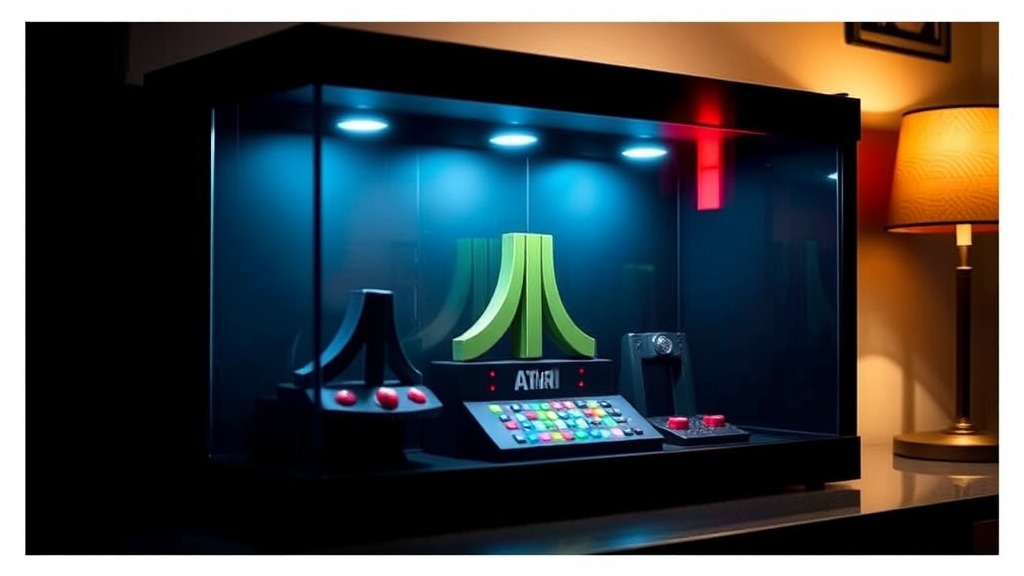
Choosing the Right Display Case for Your Atari Collection

A collector pulls a pristine, boxed copy of Pitfall! from a cardboard box, only to find a fine layer of gray dust coating the cellophane. A few months later, the sunlight hitting the shelf has slightly yellowed the plastic, and the edges of the box look soft from humidity. This isn't just a lack of tidiness; it's the slow degradation of a piece of gaming history. This guide looks at how to select the right display cases to protect your Atari hardware, cartridges, and boxed-in gems from the elements.
Displaying your collection is one thing. Protecting it is another. If you've spent years tracking down a complete 2600 set, the last thing you want is for gravity or UV rays to ruin your investment. We're looking at materials, sizing, and environmental control.
What is the Best Material for Displaying Retro Games?
Acrylic is generally the best material for displaying retro games because it offers high clarity and superior UV protection compared to standard plastic. While many cheap display cases use polystyrene, high-quality acrylic (often branded as Plexiglass) is much more durable and won't crack as easily when you're swapping out cartridges.
When you're shopping, look for "UV-resistant" labels. Sunlight is the enemy of vintage cardboard. If you've ever seen a faded Pac-Man or Asteroids box, you know exactly what I mean. The light breaks down the organic pigments in the ink, leaving your collection looking washed out and cheap.
Here is a breakdown of common materials you'll encounter:
| Material | Pros | Cons |
|---|---|---|
| Acrylic | Crystal clear, high UV protection, very durable. | More expensive, can scratch if not cleaned properly. |
| Polystyrene | Very cheap, easy to find in big-box stores. | Brittle, yellows quickly, low protection. |
| Glass | Doesn't scratch easily, looks premium. | Heavy, high risk of breakage, no UV protection. |
| PET Plastic | Great for individual cartridge protectors. | Not suitable for large-scale shelving or heavy items. |
If you're serious about your collection, don't settle for the cheap stuff. A single dropped polystyrene case can shatter and send a piece of your history flying across the room. It's a small price to pay for peace of mind.
How Do I Prevent Damage from Humidity and Dust?
To prevent damage from humidity and dust, you should use airtight-capable cases and store them in a climate-controlled environment. Dust is a nuisance, but moisture is a killer. Moisture leads to "battery rot" in certain types of hardware and can cause cardboard boxes to swell or develop mold.
I've seen collectors try to save money by using open-shelf arrangements. That's a mistake. Even if you use a glass cabinet, dust will find its way in through the gaps. If you want to keep your hardware looking factory-new, you need to think about air circulation and seal integrity.
Consider these three layers of defense:
- The Primary Layer: This is the individual protector. For cartridges, use high-quality PET protectors. For boxed games, look for custom-sized plastic sleeves.
- The Secondary Layer: This is your display case or cabinet. A cabinet with glass doors is better than an open shelf, but it's not a perfect seal.
- The Environmental Layer: This involves the room itself. Keep your collection away from HVAC vents or damp basement walls.
One thing to remember: don't just shove a cartridge into a tight case and leave it there for years. Heat can cause the plastic to expand, and if the fit is too tight, you might end up with a permanent dent in your game's casing. If you're worried about the longevity of your hardware, check out my previous post on keeping your Atari hardware shiny and safe.
How Much Should I Spend on Display Cases?
The cost of display cases varies wildly depending on whether you are buying individual cartridge protectors or large-scale cabinets. You can spend as little as $2 per cartridge for basic protection or thousands of dollars for a custom-built, museum-grade display system.
If you're just starting out, don't feel like you need to drop a paycheck on a custom mahogany cabinet. You can build a great-looking display using modular acrylic stands or even high-quality shelving units from places like IKEA. The goal is functionality first, aesthetics second.
Here is a rough budget-to-value guide:
- The Budget Setup ($20 - $100): Acrylic cartridge protectors and basic floating shelves. Good for small collections or just getting started.
- The Mid-Range Setup ($150 - $500): A dedicated glass display cabinet (like those from IKEA) with integrated LED lighting. This looks professional and offers decent dust protection.
- The Pro Collector ($1,000+): Custom-built, UV-filtered glass cases with controlled humidity inserts. This is for the heavy hitters who own high-value items like sealed Pitfall! or Adventure.
It's tempting to go straight for the most expensive option, but honestly, a well-organized mid-range setup often looks better than a cluttered high-end one. Organization is what makes a collection look "premium."
One thing to watch out for is the lighting. LED strips are great because they don't generate heat, but if you place them too close to the plastic, that heat can still affect the temperature inside the case. I've seen a lot of collectors accidentally "cook" their games by using old-school incandescent bulbs. Avoid that at all costs.
If you're still unsure about what you're actually looking at, make sure you know the difference between a real rarity and a common reproduction. If you don't know your inventory, you might be over-investing in protection for items that aren't actually valuable. I wrote a guide for new collectors that covers the basics of what you should be protecting.
When you're choosing a case, always measure twice. It sounds obvious, but I've seen so many people buy a "standard" case only to find their Atari heavy-duty console or a particularly thick boxed game won't actually fit. There's nothing more frustrating than having a beautiful display case that's just an inch too short for your prize possession.
Check the dimensions of your largest box—usually the ones for the heavier consoles or certain specialized peripherals—before you click "buy." If you're buying for a single cartridge, make sure the depth of the case won't cause the cartridge to tip over. A leaning collection looks messy, regardless of how much you spent on the case.