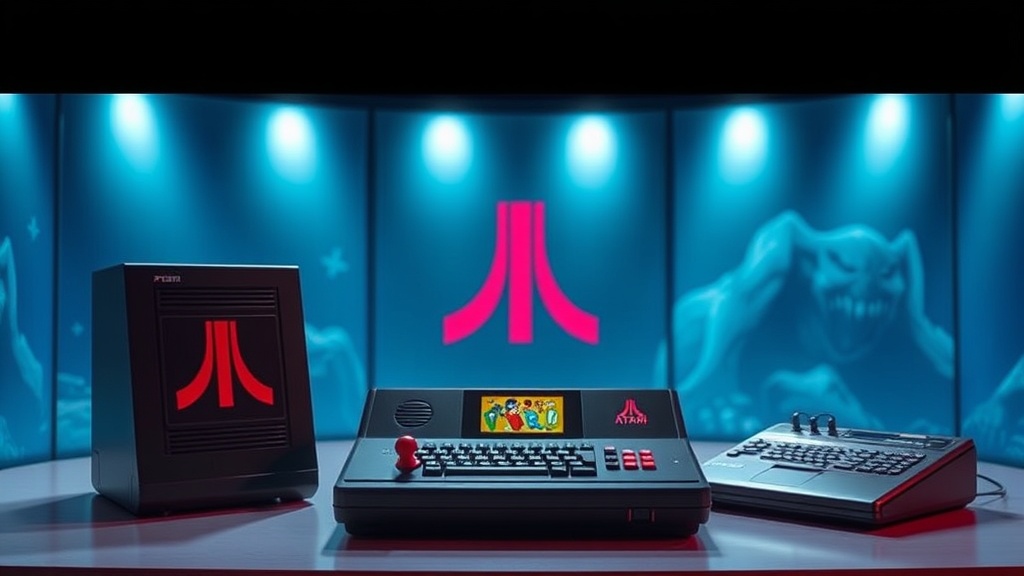
What Atari Promotional Items Are Worth Adding to Your Collection?

This post covers the often-overlooked world of Atari promotional merchandise and branded collectibles—from retail displays and employee gear to convention swag and limited-run merchandise. You'll learn which items carry real value, where to find them, and how to spot reproductions flooding the secondary market.
What Counts as Atari Promotional Material?
When collectors think of Atari, their minds jump to cartridges, consoles, and controllers. But the company spent decades producing branded merchandise that rarely survived the era—making these items some of the most interesting pieces you can own.
Promotional materials fall into several categories. Retail displays include counter-top game demos, cardboard standees, and lighted signs meant for stores like Sears and JCPenney. Employee merchandise covers jackets, shirts, and badges given to Atari staff during the golden age. Convention and trade show items represent limited runs handed out at events like CES and the Amusement Expo. Finally, there's licensed promotional goods—Atari-branded merchandise produced through partnerships with companies like Purina, Quaker Oats, and various cereal brands.
These items matter because they tell the story of Atari as a business, not just a technology company. A 1982 Atari service technician jacket speaks to corporate culture in ways no game manual can match. A CES 1983 press kit reveals how the company positioned itself against emerging competitors.
Which Promotional Items Hold Real Value?
Not all branded merchandise commands collector interest. Value depends on scarcity, condition, and the story attached to the piece.
Retail store displays top many want lists—especially lighted signs and interactive demo units. A working Atari 2600 store display with original artwork can fetch $800-1,500 depending on condition. The key is originality: reproduction signage floods eBay, but authentic pieces show age-appropriate wear, correct typography, and period-appropriate construction materials. Cardboard standees from 1980-1983 are particularly fragile survivors.
Employee and internal merchandise represents another tier. Atari's golden age workforce received jackets, pins, and patches that rarely entered public circulation. A verified Atari "Fuji" logo jacket from the early 1980s can sell for $400-700. Name badges with employee photos and department markings carry provenance value—especially for notable divisions like the coin-op engineering group.
Trade show materials vary widely. CES badges, press kits, and promotional flyers from 1979-1984 document specific product launches. The 1983 CES press kit for the Atari 5200—complete with original press releases and product photos—regularly sells for $150-300. Items tied to unreleased or failed products (like certain 7800 launch materials from the delayed 1984 release) carry particular interest.
Licensed promotional goods occupy a middle ground. Atari-branded cereal premiums, contest prizes, and cross-promotional items surface periodically. A complete set of 1982 Atari game patches distributed through Purina dog food promotions might bring $200-400. These items appeal to collectors who enjoy the intersection of gaming and consumer culture.
Where Do Collectors Find These Items?
Sourcing promotional material requires patience and specialized knowledge. These items rarely appear in the usual video game auctions and estate sales.
Former employee sales represent the best source for authentic pieces. Atari's workforce dispersed after the 1983 crash, taking branded merchandise with them. Today, their descendants occasionally sell these items through estate sales, Facebook Marketplace, and local classifieds. Richmond-area collectors (like this blog's community) occasionally benefit from Atari's California proximity to technology worker migration patterns.
Retail archaeology offers another path. Old stores, warehouses, and former distributors occasionally yield display materials forgotten in storage. The challenge is condition—cardboard and paper items suffer in humid or rodent-prone environments. Serious collectors network with commercial real estate agents and warehouse liquidators who encounter vintage retail materials.
Specialized auction houses like Heritage Auctions occasionally feature promotional items in their video game sales. These come with authentication and provenance documentation—critical for high-value pieces. Expect to pay premiums, but also gain peace of mind.
Collector communities provide leads before items hit public markets. The AtariAge forums maintain active buy/sell/trade sections where long-time collectors share finds. Building relationships in these communities often yields first-access to pieces that never reach eBay.
How Can You Spot Reproductions and Fakes?
The promotional collectibles market attracts reproductions—especially for high-visibility items like store displays and branded apparel. Learning authentication protects your investment.
Materials and construction reveal age. Authentic 1980s cardboard displays use specific paper weights and printing techniques. Hold suspected pieces to light—period printing shows dot patterns consistent with offset lithography, while modern reproductions often use digital printing with telltale pixelation. Original lighted signs used specific ballast types and plastic formulations that yellow in predictable patterns.
Typography and logos changed throughout Atari's history. The iconic "Fuji" logo saw multiple iterations between 1972 and 1984. Reproductions often use modern vector recreations rather than period-accurate artwork. Compare suspect items against documented photographs from trade publications and newspapers of the era.
Provenance documentation matters most for valuable pieces. Employee items should ideally come with employment verification, photographs, or other supporting materials. Retail displays with documentation of their original store location carry significant premiums. Be skeptical of "rare" items that appear in pristine condition without explanation—genuine promotional materials saw use and show wear.
Price common sense applies. If a deal seems too good for a supposedly rare item, it probably is. A $50 "original" Atari store display likely isn't authentic. Research realized auction prices through PriceCharting to establish realistic market values before purchasing.
How Should You Display and Preserve These Items?
Promotional materials present unique preservation challenges. Unlike cartridges, these items weren't designed for decades of survival.
Cardboard and paper items require archival storage. Use acid-free backing boards and UV-protective framing for displays. Keep pieces away from direct sunlight—even brief exposure causes irreversible fading. Humidity control matters; cardboard warps and delaminates in damp conditions. Consider museum-quality framing for significant pieces, using reversible mounting techniques that don't damage original materials.
Textile items like jackets and shirts need different care. Store flat or on padded hangers to prevent shoulder distortion. Avoid plastic garment bags that trap moisture; breathable cotton storage bags work better. Display-wear vintage clothing sparingly—each wearing accelerates deterioration of aged fabrics and stitching.
Lighted displays and electronics require electrical safety inspection before powering. Original wiring insulation degrades over decades. Have a qualified electrician review vintage electrical items before display. Consider LED retrofits that maintain original appearance while reducing heat and fire risk.
Documentation enhances both preservation and value. Photograph your items, research their history, and maintain files on provenance. This context transforms interesting objects into historically significant collectibles—and protects your investment should you ever sell.
Building a Focused Promotional Collection
Rather than chasing every branded item, consider specializing. Some collectors focus on specific eras—perhaps the 1982-1983 peak period when Atari's marketing budget flowed freely. Others collect by category, such as employee-only merchandise or retail display materials. A focused collection tells a coherent story and helps you develop expertise that general collectors lack.
The promotional materials market remains less crowded than the cartridge and console space. While everyone hunts for rare games, fewer collectors pursue the business artifacts that document how Atari built and marketed their empire. For patient collectors willing to do the research, these items offer both historical significance and investment potential.
Start small—a verified employee pin, a trade show flyer, a promotional photograph. Learn the feel of authentic materials. Network with other collectors who share your interest. Over time, you'll develop the instincts and connections needed to build a meaningful collection that stands apart from the typical game library.