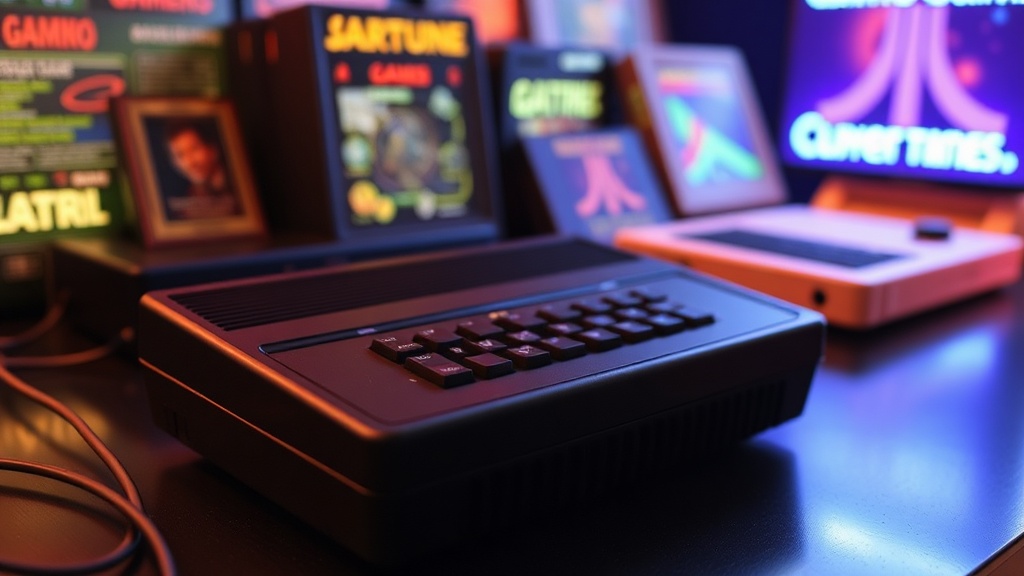
The key Guide to Collecting Atari 2600 Games and Memorabilia

What Makes Atari 2600 Games Worth Collecting Today?
This guide covers everything needed to start or expand an Atari 2600 collection—from identifying valuable cartridges and rare variants to sourcing memorabilia, understanding grading, and avoiding common pitfalls. Whether someone's digging through attic boxes or hunting at retro gaming conventions, knowing what to look for can mean the difference between scoring a $500 rarity and overpaying for a $5 common.
The Atari 2600 (originally the Atari VCS) launched in 1977 and dominated living rooms throughout the early 1980s. Over 30 million units sold. Hundreds of games released. Today, the console represents more than nostalgia—it's a tangible piece of video game history that collectors actively seek. Prices range from pocket change to thousands of dollars depending on condition, rarity, and demand.
How Much Are Atari 2600 Games Actually Worth?
Most loose cartridges sell for $2 to $20. Sealed games with original packaging command significantly more—often 10x to 100x the loose price. A sealed copy of Air Raid (the holy grail of Atari collecting) sold for over $30,000 in 2021. Common titles like Pac-Man or Combat go for a few dollars at flea markets.
Condition drives value more than most newcomers expect. A cartridge with a torn label might be worth $5. The same game with a pristine label? $25 or more. Boxed copies—especially with intact manuals—multiply value. Here's the thing: the collector market cares deeply about completeness.
| Title | Loose Price Range | Complete in Box | Notes |
|---|---|---|---|
| Air Raid | $3,000-$5,000 | $30,000+ | Unique T-handle design; only 12 known copies |
| Red Sea Crossing | $500-$1,000 | $10,000+ | Religious game with extremely limited release |
| Action 52 | $150-$300 | $800-$1,200 | Unlicensed multicart; notoriously buggy |
| Pitfall! | $10-$15 | $80-$150 | Common but iconic; high demand keeps prices stable |
| E.T. the Extra-Terrestrial | $5-$10 | $50-$100 | Infamous flop; millions buried in New Mexico landfill |
| Combat | $2-$5 | $30-$50 | Pack-in game; extremely common |
Worth noting: prices fluctuate based on auction visibility, grading certification, and—frankly—hype. The 2020 documentary The King of Kong boosted interest in retro gaming collectibles across the board.
Where Should You Buy Atari 2600 Games and Memorabilia?
Local sources offer the best prices but require patience. Flea markets, estate sales, and garage sales occasionally yield treasure—especially in suburban areas where original owners are downsizing. The catch? You'll need to dig through a lot of Sports cartridges and broken joysticks to find gems.
Online marketplaces provide selection and convenience. eBay remains the dominant platform for both loose carts and graded collectibles. Facebook Marketplace and Craigslist work well for local bulk lots—often sellers don't want to ship. Specialty retailers like DKOldies and Lukie Games sell cleaned, tested cartridges with return policies (expect to pay 20-40% above garage sale prices).
For serious collectors, auction houses like Heritage Auctions and Wata Games-certified sales offer authenticated high-end pieces. That said, the grading controversy—Wata Games faced FTC scrutiny in 2023 over alleged market manipulation—means some collectors prefer raw, ungraded cartridges for personal collections.
Don't overlook community sources. Retro gaming conventions (Portland Retro Gaming Expo, Midwest Gaming Classic) offer hands-on inspection and dealer negotiation. Reddit's r/Atari2600 and AtariAge forums connect collectors with sales from longtime enthusiasts who know exactly what they have—and price accordingly.
What About Atari 2600 Memorabilia and Hardware?
Games get the spotlight, but the ecosystem offers plenty more. Original Atari 2600 consoles (the heavy "six-switch" models from 1977-1980) command $100-$200 depending on condition. The later "four-switch" versions (1980-1982) sell for $60-$100. The rare Sears Tele-Games Video Arcade variants—functionally identical but branded differently—interest dedicated collectors.
Controllers vary wildly in value. Standard CX40 joysticks are common ($10-$20). Paddles sell in pairs for $15-$30. The rarer peripherals tell a different story:
- CX80 Trackball: $40-$80—useful for Missile Command and Centipede purists
- CX22 Trak-Ball: $30-$60—the later, more common version
- CX50 Keyboard Controllers: $50-$100—required for Basic Programming and educational titles
- Star Raiders Video Touch Pad: $20-$40—niche but sought by completionists
Promotional materials and original boxes hold surprising value. An empty Pac-Man box—just the cardboard—can sell for $30. Instruction manuals range from $5 to $50 depending on the title. Atari Force comic books (packaged with certain games) sell for $10-$25 each.
How Do You Spot Counterfeits and Reproductions?
The reproduction market has matured. Some fakes are indistinguishable from originals without opening cartridges. Here's what to check:
- Label quality: Original Atari labels have a specific glossy finish and precise color registration. Reproductions often look "too new" or use slightly off colors. Compare against verified photos on AtariMania.
- End labels: Many reproductions skip the small end labels entirely or use incorrect fonts. Original end labels are thin, precisely applied, and match Atari's typography standards.
- Cartridge shell texture: Authentic Atari carts have a specific matte finish. Modern reproductions sometimes feel smoother or use different plastic compounds.
- Board inspection: The only definitive method. Originals use specific PCB layouts, chip configurations, and manufacturing marks. Opening a cartridge reduces value but confirms authenticity for high-dollar purchases.
Sellers should disclose reproductions. Many don't—or don't know. Ask directly. Honest dealers (like those at retro gaming stores) will tell you. eBay sellers with vague descriptions ("looks original") warrant skepticism.
Storage and Preservation Tips
UV light destroys labels. Heat warps cartridges. Moisture corrodes contacts. Basic stuff—but collectors routinely store collections in garages or attics, then wonder why condition degraded.
Store cartridges vertically (like books) to prevent label damage from stacking weight. Use plastic game cases—BitBox and similar brands make affordable options. For serious collections, consider archival-grade storage with desiccant packs.
Cleaning matters too. Isopropyl alcohol (90%+) on cotton swabs removes oxidation from cartridge contacts. Never use abrasive materials. Label cleaning requires extreme care—often, leaving minor wear is better than risking further damage.
Should You Get Games Graded?
For common cartridges under $50, grading wastes money. Fees run $30-$100+ depending on the service and turnaround time. The math only works for valuable pieces where condition premiums exceed grading costs.
Wata Games and CGC (now the same company) dominate the video game grading market. They assign numerical scores (1-10) and seal games in tamper-evident cases. The service isn't without critics—some collectors argue grading creates artificial scarcity and inflates prices beyond natural demand.
That said, for a sealed Air Raid or Red Sea Crossing, professional authentication protects both buyer and seller. Just understand that grading adds cost, processing time, and—depending on who you ask—unnecessary rigidity to a hobby that used to be about playing the games.
"The best collection is the one you'll actually enjoy. A $5,000 sealed cartridge behind glass offers bragging rights. A $5 loose copy of Adventure offers actual fun."
Whether building a complete licensed set (about 470 games released in North America), hunting holy grails, or simply reclaiming childhood favorites, Atari 2600 collecting rewards curiosity and patience. The market has matured but hasn't priced out newcomers—yet. Start with what you love playing. Learn the variants. Ask questions in the community. And maybe—just maybe—check that box of "old video games" at the next garage sale before the dealer gets there.