Atari Collectibles Buying Guide: How to Spot Value, Avoid Fakes, and Build a Collection That Matters

Most people approach Atari collecting backwards. They chase whatever looks old, rare, or expensive without understanding what actually drives long-term value. That’s how you end up with shelves full of forgettable cartridges and regret purchases.
This guide is built differently. It’s grounded in how experienced collectors actually think: condition over hype, provenance over guesswork, and patience over impulse. Whether you’re starting from zero or refining a serious collection, this is the framework that keeps you from wasting money—and helps you find the pieces that matter.
Understand What Actually Makes Atari Items Valuable
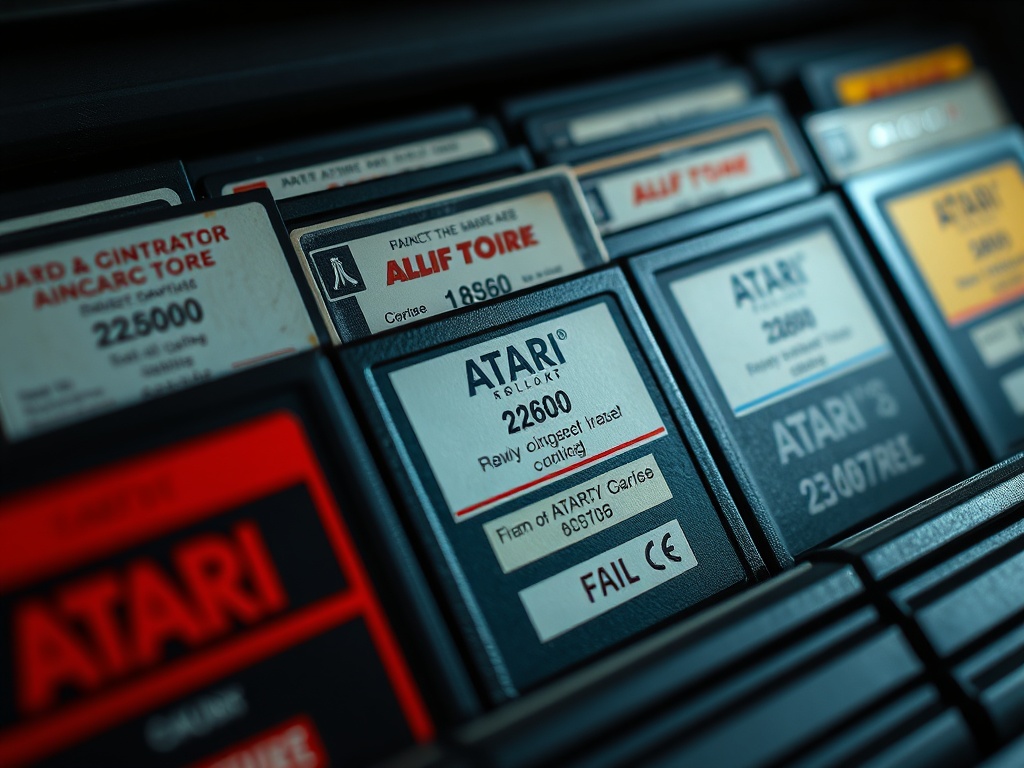
Value in Atari collectibles isn’t random. It’s driven by a few consistent factors, and once you see them, you can’t unsee them.
- Rarity: Limited production runs, test cartridges, and obscure titles carry weight—but only if demand exists.
- Condition: A pristine common item often outperforms a rare damaged one.
- Completeness: Original box, manuals, inserts—these can multiply value significantly.
- Cultural relevance: Titles tied to iconic moments or infamous releases often carry long-term interest.
Collectors who win long-term don’t just ask “Is it rare?” They ask “Does anyone actually care about this piece?” That distinction matters more than most people realize.
Cartridge vs Boxed vs Sealed: What Should You Buy?
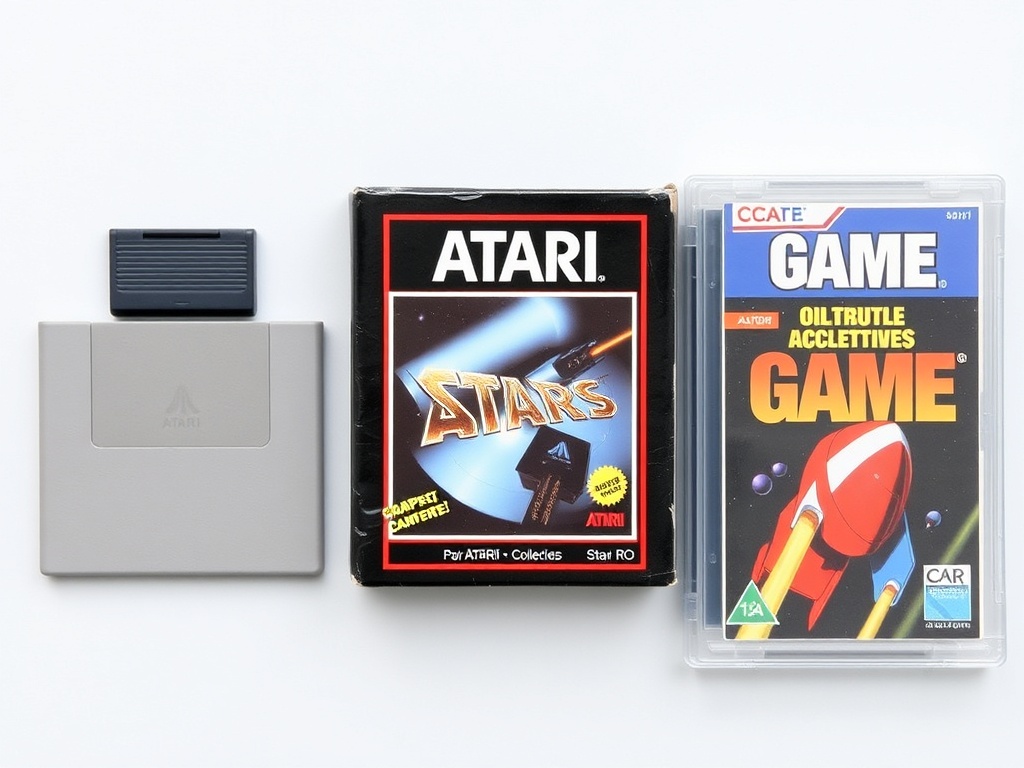
There’s a hierarchy in Atari collecting, and knowing where you want to sit on it will shape your entire strategy.
- Loose cartridges: Affordable, accessible, and great for gameplay-focused collectors.
- Complete-in-box (CIB): The sweet spot for many collectors—visual appeal plus investment potential.
- Factory sealed: High-end territory. Expensive, volatile, and often driven by grading hype.
If you’re building a meaningful collection, CIB is usually the smartest lane. It balances display value with historical authenticity.
How to Spot Reproductions and Fakes
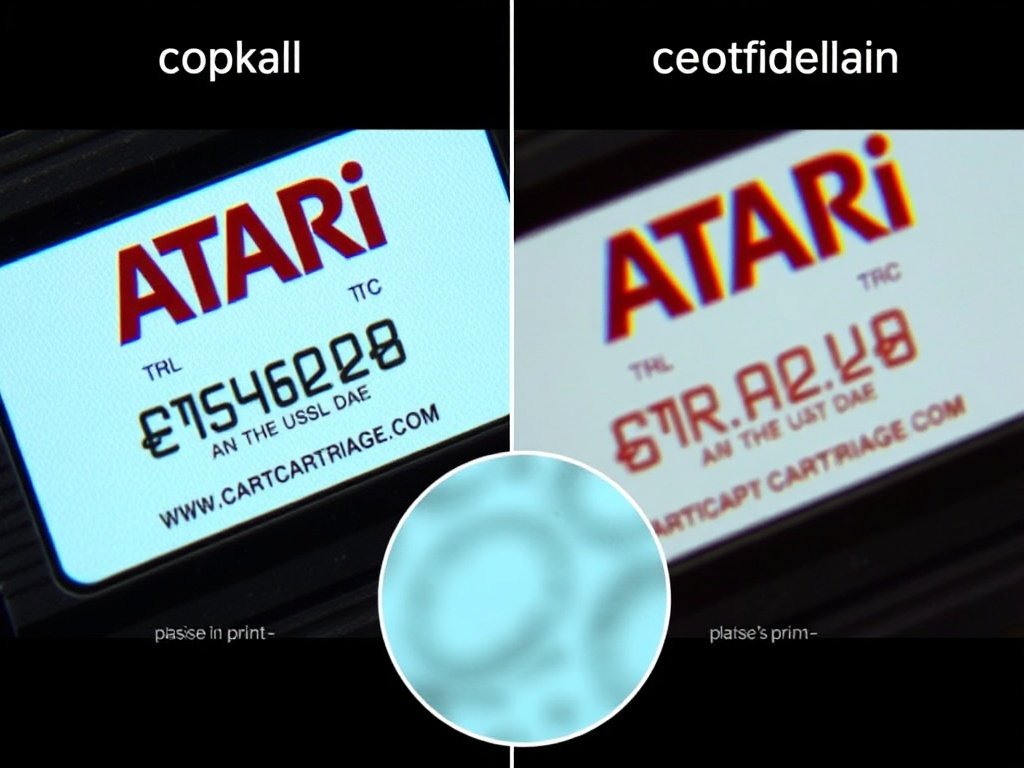
The reproduction market has exploded. Some repros are honest and clearly labeled. Others are designed to fool you.
Here’s what to watch:
- Label quality: Originals have specific print textures and aging patterns. Repros often look too clean.
- PCB boards: Open the cartridge when possible. Board markings and layouts are hard to fake perfectly.
- Screw types: Atari cartridges used specific screws. Modern replacements are a red flag.
- Seller behavior: Vague descriptions and stock photos usually mean trouble.
If a deal feels too good, assume it’s a reproduction until proven otherwise. That mindset alone will save you hundreds.
Where Serious Collectors Actually Find the Good Stuff
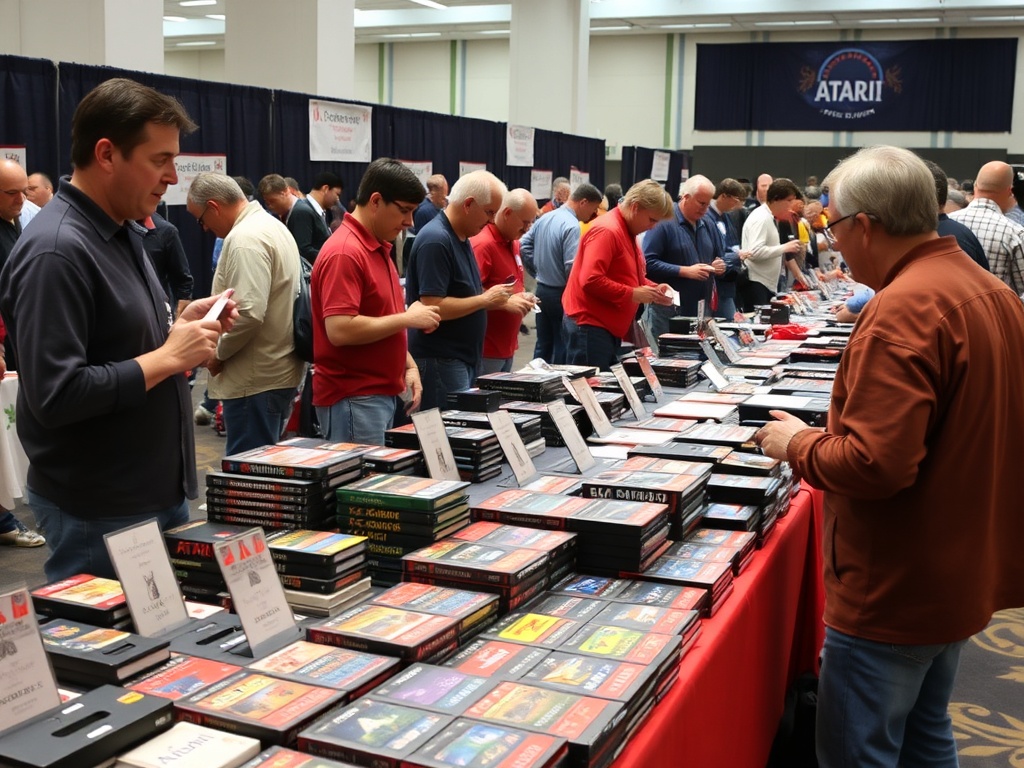
Online marketplaces get all the attention, but they’re not always where the best deals happen.
- Local game stores: Often overlooked, sometimes mispriced.
- Retro conventions: Higher prices, but better selection and networking.
- Collector communities: Forums and private groups are where real trades happen.
- Estate sales: Rare, but occasionally goldmines.
The biggest advantage you can build is relationships. Collectors who know each other trade better items at fairer prices than anything you’ll find publicly listed.
Grading: Is It Worth It for Atari?
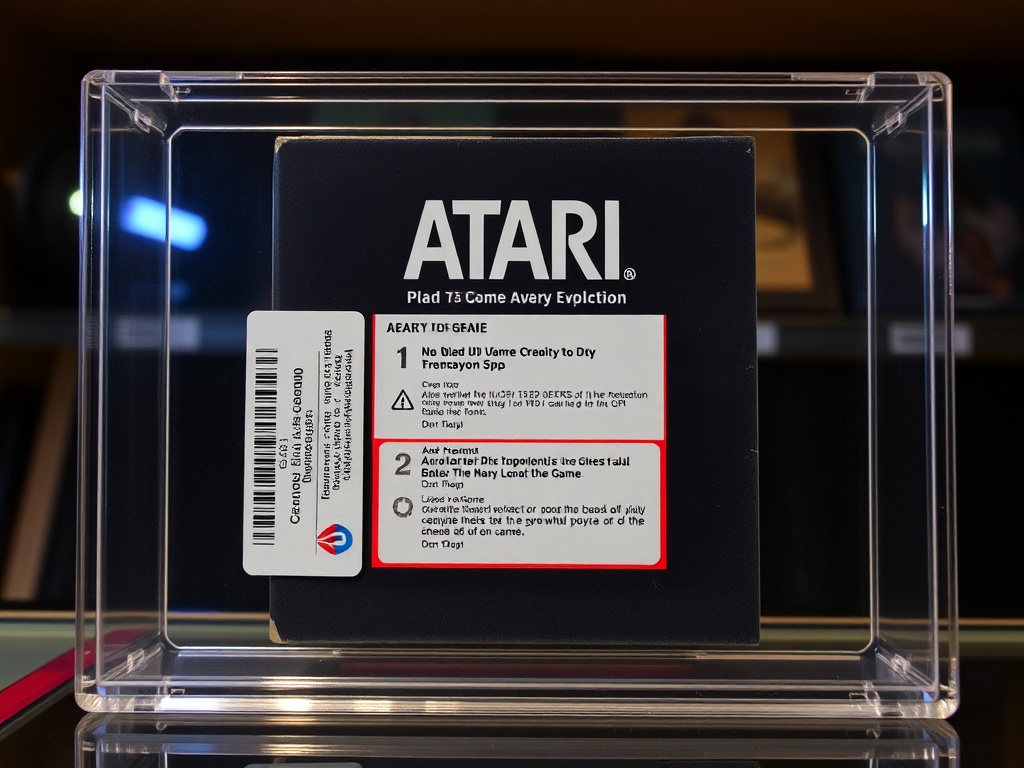
Grading has changed the conversation around collectibles—but Atari sits in an interesting spot.
For ultra-rare sealed games, grading can unlock serious value. For most items, it’s unnecessary.
Grading makes sense when:
- The item is sealed and in exceptional condition
- You plan to sell into a high-end collector market
- The grading cost is small relative to potential value increase
Otherwise, raw collectibles often make more sense—especially if you actually want to enjoy them.
Building a Collection With a Point of View
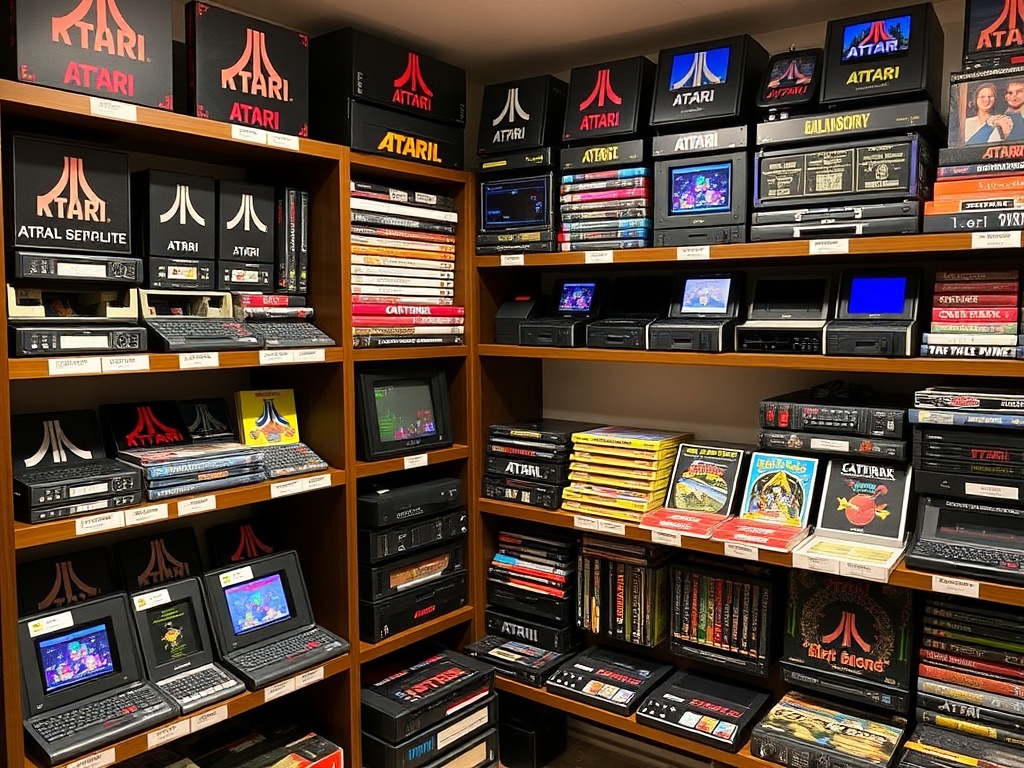
The difference between a pile of games and a real collection is intent.
Some focused approaches that work:
- Full library collecting: Completing a system’s entire catalog
- Publisher focus: Atari, Activision, or specific studios
- Artwork-driven: Collecting based on box art aesthetics
- Rarity hunting: Prototypes, test carts, and obscure releases
Pick a lane. Collections that try to do everything usually end up diluted and expensive without being impressive.
Pricing Reality: What Things Actually Sell For
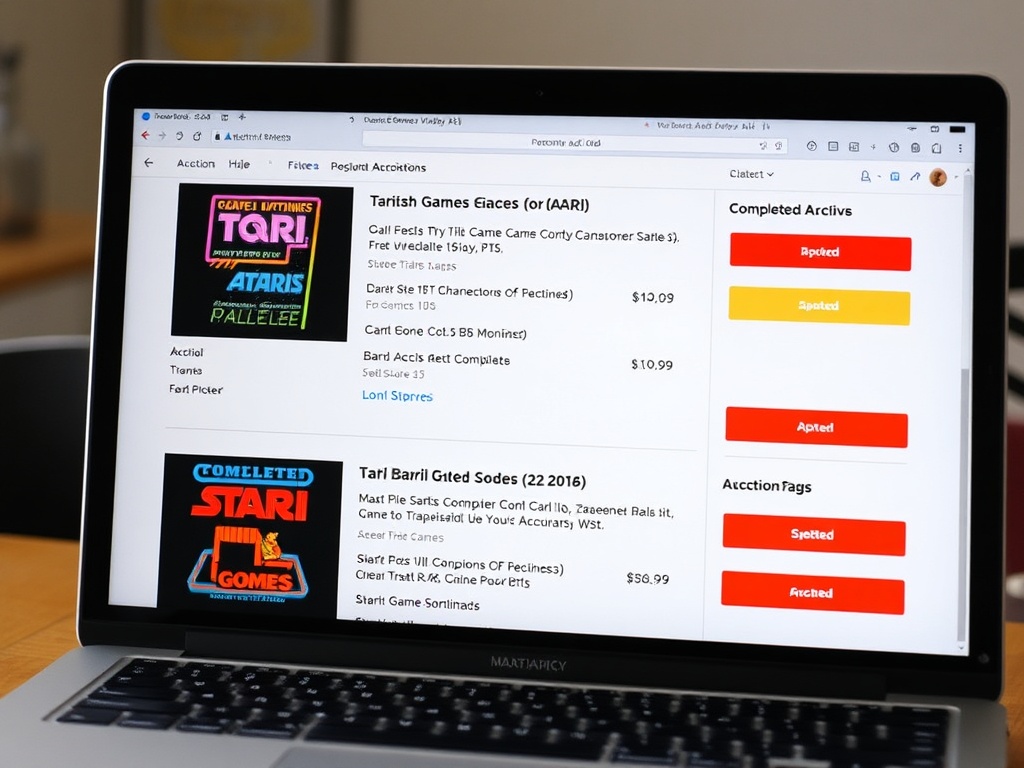
Asking prices mean nothing. Completed sales tell the truth.
Before buying anything significant:
- Check sold listings, not active listings
- Compare condition carefully—small differences matter
- Look at trends over time, not one-off spikes
The Atari market is stable compared to newer collectibles, but it still has cycles. Patience almost always pays off.
Storage, Display, and Long-Term Preservation
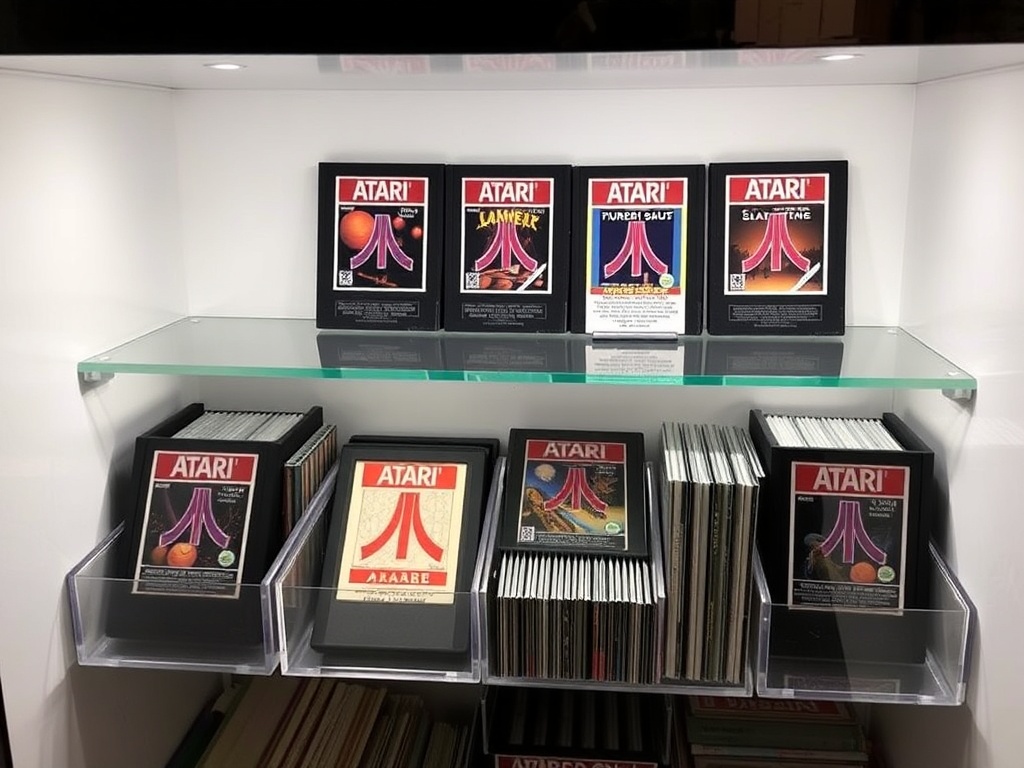
Collectors often spend thousands on items and nothing on protection. That’s backwards.
- Avoid sunlight: UV damage fades labels and boxes fast
- Control humidity: Cardboard is vulnerable
- Use protective cases: Especially for boxed items
- Handle minimally: Oils from hands degrade materials over time
A well-preserved mid-tier item can outperform a poorly stored rare one. Condition compounds over time.
Common Mistakes That Kill Collections
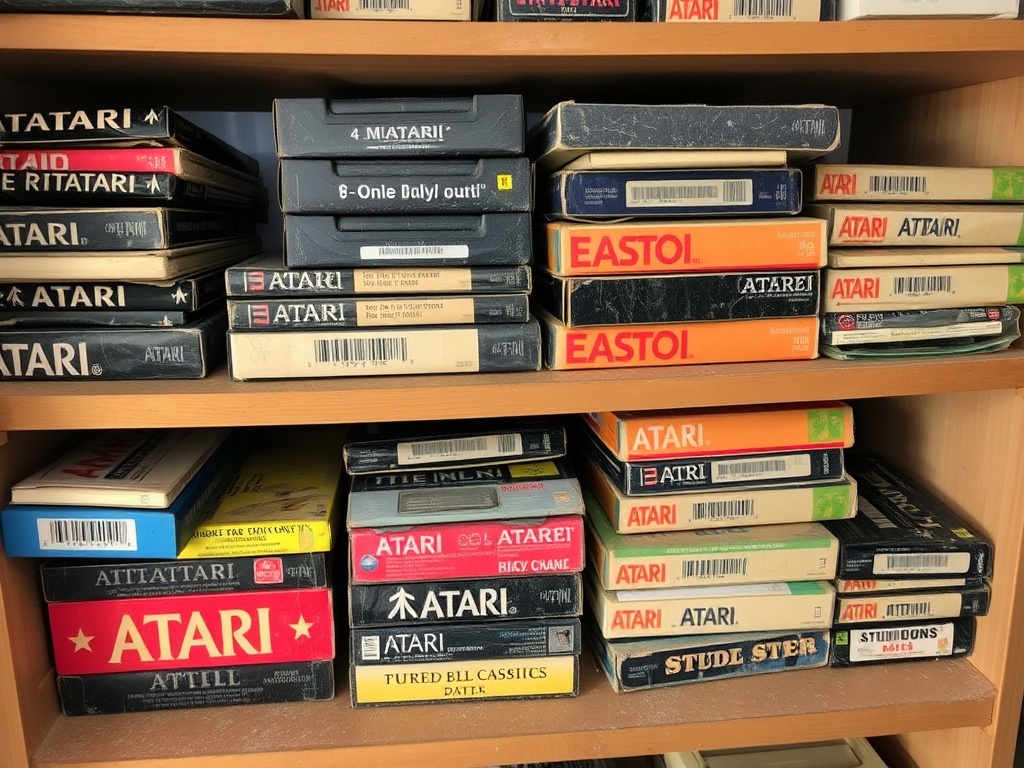
- Buying too much too fast
- Ignoring condition for rarity
- Overpaying due to hype
- Not verifying authenticity
- Lack of focus or collecting strategy
Every experienced collector has made these mistakes. The goal is to make them early, cheaply, and only once.
Final Take: Collect With Intent or Don’t Bother
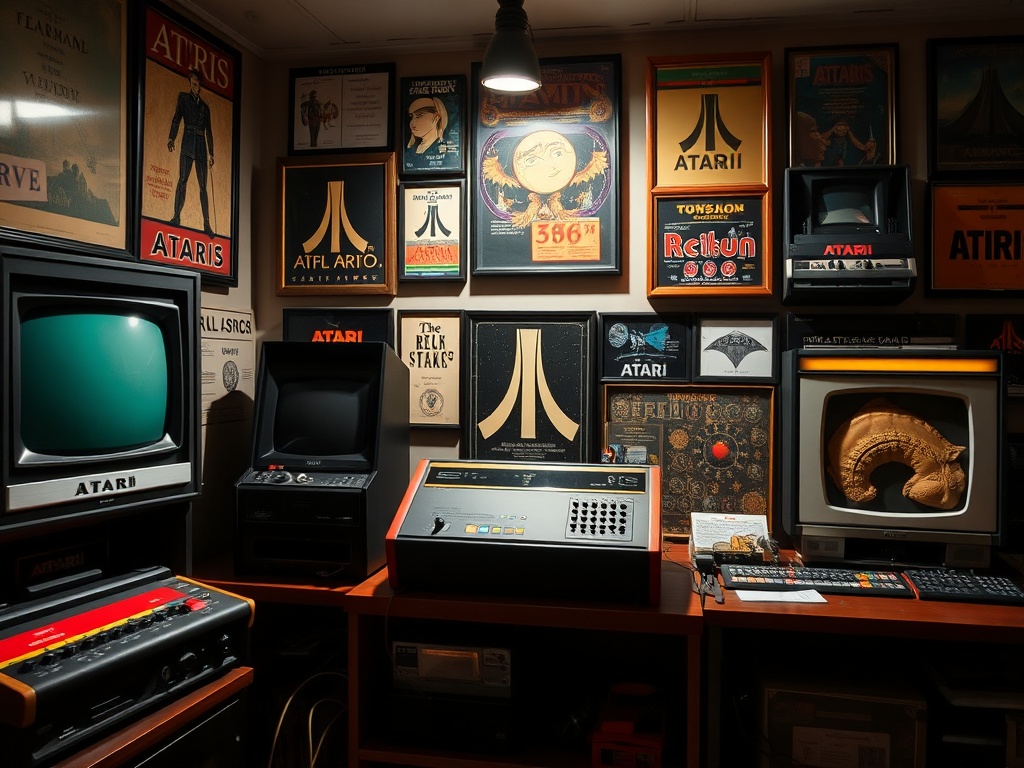
Atari collecting rewards patience, knowledge, and taste. It punishes impulse and surface-level thinking.
You don’t need the rarest items. You need the right ones—pieces that hold up over time, visually and historically.
Build slowly. Learn constantly. And treat every purchase like it has to earn its place on your shelf.